|
作者 彼得 艾思默思 (Peter Asmus)01.10.00
1999年9月奧杜邦協會召集了一個記者會,指責安壤(Enron) 風力電力公司,因為該公司計畫在南加州的高門鎮(Gorman)附近興建能供應可達40000戶的風力發電廠。奧杜邦協會副會長丹尼爾 畢爾得(Daniel Beard)說「簡直沒有比將加州禿鷲 (註1)置於危急的棲地更糟的想法了*。」
許多環保人士致力地為風力發電拉票,認為風力發電是未來的趨勢,這個科技可能幫助我們躲過氣候災難(註2)。風力發電是目前世界上成長最快的能量來源,而美國也剛剛完成自1998到1999年一年裡風力發電廠的興建記錄,然而風力發電場同時也在環保圈中引起爭論,這爭論的焦點常是風力發電廠對鳥類族群潛在的致命性影響。

加州禿鷲攪拌機*?
經過聯邦投入大筆經費及時間復育後,加州加州禿鷲野生族群數已達49隻,其中20隻就生活在南加州,這個安壤公司(Enron)正考慮興建44MW風力發電的區域。畢副會長對記者們說:「我們堅決相信這個計畫一定得終止。安壤公司正計畫興建一個死亡的陷阱。」
在短短幾個月之後,一個成功的運動改變了安壤公司的計畫,畢副會長的說法聽起來像是換了另外一個人,「風力發電是乾淨、無污染的電力來源,不會產生酸雨、沒有石油在運送過程外洩、也無輻射廢棄物。」這段話是他在11月初,當他針對安壤公司放棄風力發電場的興建計畫,改尋求較遠、較不常有加州禿鷲聚集的地方興建發電廠後所做的聲明。畢副會長說「多年來安壤公司在環保問題的處理態度一直是正面且負責的。」他又說「安壤公司再次清楚的證明它致力於保護環境和當地的野生動物。」
奧杜邦協會對安壤公司的態度轉變是顯而易見-風力渦輪機體積非常巨大,因此該公司不可能將之與受保護且歡迎的鳥類來賭,無勝算的機率。奧杜邦協會對抗安壤公司的方法(換言之,改和以房地產開發為主的 提迥牧業公司 (Tejon Ranch)合作)是較難被合理化。
拯救加州禿鷲或公寓?
提迥牧業公司Tejon(後台老闆包括擁有洛杉磯時報的香德勒Chandler家族)是加州最大的私人房地產公司,在洛杉磯和貝克爾斯非市相鄰處有270,000英畝。提迥牧業公司的畜牧業佔營收的的60%,且向片商推銷其特色,不管是森林或沙漠,作為理想的電影背景,但這間公司的未來繫於不動產的發展,提迥牧業公司長期以來為風力發電場興建於豪華的家園和公寓中感到威脅。
提迥牧業公司和奧杜邦協會站在同一陣線並提供財源支持反對安壤公司的運動,提迥牧業公司付費在華盛頓特區的報紙上刊登廣告,指責計畫中位在高門地區的風力發電場,在洛杉磯及安壤公司的所在地休士頓的告示牌以以猛禽飛入風力渦輪機為特點,標題為「殺害這些禿鷲?」
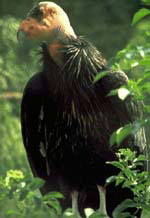
可愛的禿鷹
Neil Johnson攝影,洛杉磯動物園,加州漁業與狩獵部照片提供
提迥牧業公司不是第一次和環保人士合作反對風力發電,宣稱其出發點為關心鳥類。1989年提迥牧業公司、Sierra Club和奧杜邦協會共同扼殺接近高門的77MW的風力發電場興建計畫。
但提迥牧業公司對禿鷲的關心似乎是有選擇性的。1997年,該公司提出訴訟:終止加州禿鷲在南加州第赫求庇山脈的復育計畫
但是提迥牧業公司對公寓的關心卻是不可動搖的(這是其反對風力發電場的實際理由),在一次的會晤中,提迥牧業公司的法律顧問丹尼穆林(Dennis Mullins)說的更清楚:他不是風力發電的狂熱支持者,他描述靠近高門計畫中的風力發電場為「位於通往Kern郡的門戶上的龐然大物給人刺眼的第一印象」。但隨著都市發展提迥牧業公司的眼裡已經很明顯的看不到這些龐大的壞影響,提迥牧業公司最近和美國三大建築商合作發展在高門附近的4000英畝(本來是被安壤公司看上的),同時計畫興建大型的購物中心。
假如興建它,鳥類就不會來
風力電廠會造成某些鳥類死亡-即使是最大的風力發電擁護者也無法否認這一點,但是會威脅鳥類生存的事件很多,野生動物保育人士單單批評風力電廠似乎過於短視,特別是當他們和土地開發業者合作,共同關心土地開發效應對鳥類棲地的影響。
以舊金山東南方的阿特蒙隘口(Altamont Pass) 為例,該區有超過5000個風力渦輪機,常被鳥類保育者批評。
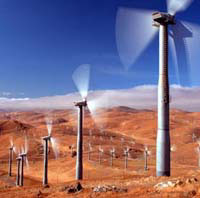
阿特蒙隘口的風力渦輪機
Warren Gretz攝影,Nrel/PIX
從1994到1998年加州大學猛禽調查小組的生態學者葛格杭特(Grainger Hunt)指導大部分在阿特蒙隘口Altamont Pass鷹群的研究。在一篇報導中杭特宣稱因為風力發電場的影響使得美洲金鷹(golden eagle)族群大小些微下降。
但根據鳥類行為科學家與作家保羅克林格Paul Kerlinger的說法,他認為族群大小下降的原因可能是風力發電場,也可能是該區的土地開發模式,但是真正的原因尚未釐清。克林格Paul Kerlinger指出自從九0年代中期當杭特鳥類監看計畫開始時,「新的水庫破壞風源地區鳥類的自然棲地;利福摩Livermore市反對風力發電場沿著邊界設置,由於放牧的影響,使存在於風源地區邊緣的橡樹不再出現,橡樹是美洲金鷹築巢的地點,當橡樹消失,美洲金鷹便跟著消失。
位於薩克拉蒙托(或譯沙加曼多)的聯邦機構魚類及野生動物署的生物學者Ken Sanchez也認為由舊金山到鷲高密度築巢區的任意發展,已經對老鷹族群造成傷害。「我同意風力發電場對鳥類的影響小於不當的土地開發」他這麼說到。
關於風力發電仍有一些實際的危險存在,「不論是核能或用煤來發電,沒有人注意到有多少鳥類被傳輸的電線電到。」薩克拉蒙托的能源有效運用與再生技術中心的執行者約翰懷特V. John White說。「若退一步好好的審視目前整個情況:因風力渦輪機而喪命的鳥遠少於因全球溫暖化與空氣污染而死亡的鳥數。」
幸運的,奧杜邦協會和其他環保團體在過去幾年反對風力發電場的工作似乎漸漸的與事實一致,事實是風力發電在此被保留並可能是未來對抗氣候變遷時,發電方式中的最好選擇。
1998年全球風力發電量增加2100MW,比1997年增加30%,在1999六月,美國能源部首長比爾瑞查生Bill Richardson開始一項計畫目標是在2020年美國的能源中最少有5%是由風力提供,相當於未來20年風力發電增加80000MW,平均每年4000MW(比現有增加速度大幅提昇),所有的訊息都指向會持續且急速的增加。
Peter Asmus從事能源事業已超過十年,他也是即將由Island Press出版的書"Reaping the Wind"的作者。他的上一本書是"Reinventing Electric Utilities"。
原文與圖片詳見:http://www.gristmagazine.com/grist/
maindish/asmus011000.stm
版權歸屬 Earth Day Network,環境信託協會 (張珮菁 譯,陳維立審校)
中英對照全文:http://news.ngo.org.tw/issue/energy/sub-energy00061301.htm
註1: 加州禿鷲 (California condor) 幾乎瀕臨絕種,其棲地指限於南加州的山區
註2: 這裡的氣候災難乃指,科學家相信由傳統的火力發電燃燒石油,排出大量的二氧化碳,引起溫室效應、全球暖化所帶來的災害。 |
|
Wind power is dividing enviros and spurring some odd alliances
by Peter Asmus01.10.00
The National Audubon Society hosted a news conference in September 1999 to denounce Enron Wind Corp.'s plans to build a wind farm near the town of Gorman in Southern California, with enough capacity to power 40,000 homes. "It is hard to imagine a worse idea than putting a condor Cuisinart next door to critical condor habitat," said Audubon Vice Pres. Daniel Beard.
Many environmentalists are touting wind energy as the wave of the future, the technology most likely to help us steer away from the path to climate disaster. Wind power is the fastest growing energy source in the world, and the U.S. just set an all-time one-year record for installations between June of 1998 and 1999. But wind farms also stir up heated controversies within the environmental community, often centered around the issue of potential bird fatalities.
Condor Cuisinarts?
photo by Warren Gretz, NREL/PIX.
After an expensive and high-profile federal reintroduction effort, the California condor population in the wild now totals 49 birds, with 20 living in Southern California in the region where Enron was considering constructing a 44-megawatt (MW) wind facility. "We believe this project must be stopped," Beard told the press. "Enron is proposing to build a death trap."
onA couple months later, after a successful campaign to change Enron's plans, Beard sounded like a completely different person. "Wind power is a clean, nonpolluting source of electricity, producing no acid rain, oil spills, or radioactive waste," he said in early November when he announced that Enron had abandoned its plans for the controversial wind farm and was instead looking into developing a facility in a more remote area not frequented by condors. "Enron Wind has a long history of dealing with environmental concerns in a positive, responsible manner," Beard said. "Enron Wind has again clearly proven that it is a company committed to protecting the environment and the region's wildlife."
Audubon's change of heart toward Enron is easy enough to understand -- wind turbines are great so long as they aren't situated where they might dice up protected, popular bird species. Audubon's approach to battling Enron -- namely, teaming up with Tejon Ranch Co., a ranching outfit and major real estate developer -- is a little harder to make sense of.
Save the Condors -- or the Condos?
Tejon -- whose backers include the Chandler family, which owns the Los Angeles Times -- has title to the largest private real estate parcel in California, 270,000 acres of contiguous land between Los Angeles and Bakersfield. Tejon's cattle operations provide about 60 percent of its revenues, and the company touts its properties to film studios as ideal backdrops for movies set everywhere from deserts to forests. But the future of the company lies in real estate development, and Tejon has long worried about what wind turbines might do to its plans to build posh homes and condos.
Tejon linked up with the Audubon Society and helped bankroll its campaign against Enron. The company paid for newspaper ads in Washington, D.C., denouncing the proposed Gorman area wind farm, and for billboards in Los Angeles and Enron's home city of Houston featuring a raptor heading into wind turbines, with the caption "Kill the Condors?"
Cuddly condor.
Photo by Neil Johnson, Los Angeles Zoo, courtesy of Calif. Dept. of Fish and Game
This wasn't the first time Tejon had teamed up with environmentalists against wind power, allegedly out of concern for birds. In 1989, Tejon joined forces with the Sierra Club and Audubon to kill a 77-MW wind farm proposed for the very same area near Gorman.
But Tejon's concern for condors seems to be highly selective. In 1997, the company filed suit to halt condor reintroduction in the Tehachapi Mountains in southern California, fearing it could hamper its plans for development.
The company's concern for condos, however, is unwavering -- and may point to its real reason for fighting against turbines. In an interview, Tejon general counsel Dennis Mullins made it clear he is no big fan of wind energy. He described the potential wind farm near Gorman as "a visual blight 12 o'clock high at the gateway to Kern Country." But sprawling development is apparently no visual blight in the eyes of Tejon. The company recently struck a deal with three top U.S. home builders to develop 4,000 acres adjacent to the land near Gorman that Enron had been eyeing, and plans for a huge mall are also in the works.
If You Build It, Birds Won't Come
Wind turbines do result in some bird fatalities -- even the biggest wind power boosters don't deny it. But for wildlife advocates to single out wind power for criticism in the face of so many other threats to birds seems shortsighted, particularly when they team up with developers in the face of mounting concern about the effects of sprawl on bird habitat.
Take the case of the Altamont Pass, an area southeast of San Francisco with more than 5,000 wind turbines that are frequent targets of criticism from conservationists concerned about bird populations.
Wind turbines in the Altamont Pass.
Photo by Warren Gretz, NREL/PIX.
From 1994 to 1998, Grainger Hunt, an ecologist with the Predatory Bird Research Group of the University of California at Santa Cruz, conducted the most comprehensive study to date on eagle populations in the Altamont Pass. In a report to the National Renewable Energy Laboratory, Hunt declared that the overall population of golden eagles was in slight decline due to the wind farms.
But according to Paul Kerlinger, a scientist and author specializing in bird behavior, it's unclear whether the small decline Hunt observed is due to the wind farms or to human land-use patterns and development in the region. Kerlinger points out that since the mid-'90s, when Hunt's bird monitoring program began, "a new reservoir destroyed foraging and nesting habitat within the wind resource area; the City of Livermore has pushed its boundaries up against the wind farms; and it is beginning to look like the oak trees that exist outside the wind resource area are not coming back due to cattle grazing. These are the oaks golden eagles nest in. As the trees go, so go the eagles."
Ken Sanchez, a U.S. Fish and Wildlife Service senior biologist based in Sacramento, also said that eagle populations have been "hammered" by development sprawling out from San Francisco into the "highest density golden eagle nesting site" known. "I agree that wind farms are better than subdivisions," he said.
There are also real dangers to not pursuing the full promise of wind power. "No one seems to pay much attention to the number of birds that are fried by transmission and distribution lines that transport power from nuclear and coal plants," said V. John White, executive director of the Sacramento-based Center for Energy Efficiency and Renewable Technologies. "When one steps back and takes a good look at the big picture, the level of bird kills coming from wind turbines is completely dwarfed by the looming catastrophe of global warming and air pollution impacts associated with the present status quo energy picture."
Fortunately, the Audubon Society and other environmental groups that have fought against wind farms in past years seem to be gradually reconciling themselves to the fact that wind power is here to stay and seems to be our best bet for beating back climate change.
In 1998, 2,100 MW of new wind energy generating capacity were added around the globe, 35 percent more capacity than was added in 1997. In June 1999, U.S. Energy Secretary Bill Richardson launched a strategic initiative with the aim of providing at least 5 percent of U.S. electricity from wind energy by the year 2020. That would equate to 80,000 MW of new wind power capacity over the next two decades, an average of 4,000 MW per year -- a marked increase over the pace of recent record-setting development. And all signs point to continuing dramatic growth.
Peter Asmus has covered the energy business for over a decade and is author of the forthcoming book Reaping the Wind by Island Press. His last book was Reinventing Electric Utilities. |