 |
 |
|
|
|
||||||||||||||||||||||||||||||||||||||||||||||||||||||||||||||||||||||||||||||||||||||||||||||||||||||||||||||||||||||||||||||||||||||||||||||||||||||||||||||




 我還是要不厭其煩的說,有機蔬菜真的比較有味道!而且健康!熱門的日本節目「料理東西軍」,告訴大家一件事實,料理決勝的關鍵在食材。這節目最吸引人的,除了食材的找尋過程、達人的龜毛與堅持,就是那個斷面秀,直讓人流口水。我們從有機店買回來的馬鈴薯,當然是台灣土產,而非美國進口的基因改造蔬果,外表並不起眼。
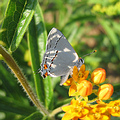
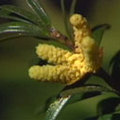 台灣油杉、台東蘇鐵、台灣穗花杉同為冰河孑遺植物,經過數萬年的大自然洗禮,目前仍如活化石般存在,這些珍稀植物在台灣仍有面臨瀕絕的可能,因此被政府宣告為瀕絕的珍稀植物。台東蘇鐵由於白輪盾介危害,成為目前野外最瀕危的植物。在林務局「自然之窗」的影片介紹裡,看到台灣油杉巨大偉然的枝幹、姿態優美的樹形;枝椏上的毬果隨風搖曳,非常漂亮;毬果隨季節變化顏色,成熟時,帶著種翅的種子隨風紛飛的景象,更是美麗,讓人驚嘆造物者的神奇。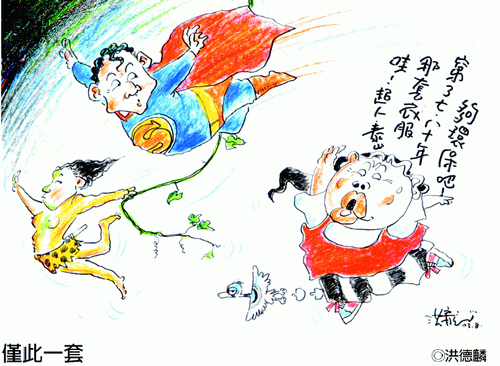



|
文字/攝影:林英津
今天(11/13)是此來最後一次到東方院抄西夏文1。
十一點半左右,我走在學校附近的雪地上,2氣溫很低、下著小雪。
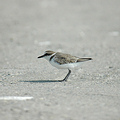
週末上午太陽還露了臉,夜裡就又開始下雪,叫住宅區附近的草地上一片雪白。如果不是天亮前已經剷雪,連馬路上都是雪白的。每天清晨,我都期望能拿相機拍下宿舍附近馬路上的積雪。可惜始終起得不夠早,七點以前,盡職的工人已經將馬路上的雪剷去;我從未有機會看看這些辛勤勞動的工人,只能偶然看到,隨後在昏黃街燈下因為重裝備而面目模糊,清運垃圾的工人。3 從瓦西里島的宿舍區到東方院,我多半先搭車到學校,然後徒步走過跨越涅瓦河的大橋,大約要走二十來分。學校附近的人行道不剷雪,走在上面要冒點打滑、甚至摔一跤的風險。不然,也可以和汽車爭道;風險更大,有汽車急馳而過、四濺的污水。我自信抄書,有菩薩保佑;也愛踩在雪上冷冽的溫柔,一向選擇走人行道。4今天雪上到處散佈著鳥的腳跡,5偶然有狗狗跑過;我回望自己走過的路,為什麼沒有留下明顯的痕跡? 過橋了。橋上雖然人車分道,究竟車多人也多,人行道與車行道一色泥黑;和近在咫尺,冬宮粉綠與象牙白相間的立面極不協調。 今年,為了參加「西夏文明研究展望國際學術研討會(International Conference “Tangut civilization: scientific traditions and Perspectives of Research”,St. Petersburg State University, the State Hermitage, and Institute of Oriental Studies Of the Russian Academy of Sciences,2006/11/01-04 at St. Petersburg)」,我再度拜訪聖彼得堡,掛單在瓦西里島的國立聖彼得堡大學哲學系。每週兩天,我走過跨越涅瓦河的大橋,到東方研究所的手稿部閱看西夏文獻收藏。再次摩挲泛黃的紙卷,無端愁緒一再湧上心頭。一度沈埋流沙的西夏文獻,經探險家科茲洛夫之手,從額濟納河的黑水城帶到波羅的海的冬宮。6一方面,世人有幸,再度認識當年的西夏文明,開啟國際西夏學的研究。另一方面,考古發掘,是否未經同意的驚動了文物主人的魂魄?文物一旦出土,就不可避免的加速朽壞的宿命;倘若不是我來多事,會不會紙卷的朽壞可以稍微慢一點?文物被帶離出土地,在幽閉的深宮,他們會不會也想家、寂寞,歡喜有我來作伴?如果不是因緣際會,我不會以廿年的歲月閱讀西夏文獻。我從不懷疑自有能人研究西夏語,從不擔心這些紙卷短期之內會消失不見;為什麼只要一拿到管理員送來的紙卷、坐上閱覽室的椅子,我總是一動不動的埋首抄寫,彷彿有許多無形的手相催促?以有涯逐無涯,我勢不可能盡閱收藏;我該怎麼做,才能回報數百年前的智慧心靈? 無論如何,即使明天過後,我將無緣繼續閱覽黑水城的原件;我願意盡所能的釋放文物的語言訊息,等一會,我還是要埋首抄書,抄一卷《仁王護國經》。
1.「東方院」全稱俄羅斯科學院東方研究所聖彼得堡分所,是當今收藏最大宗西夏文獻的所在。座落在涅瓦河畔,在著名的冬宮(Hermitage)旁邊,原來就是整個宮殿的一部份;所以我抄書的閱覽室,四壁和天花還保有金碧輝煌的裝飾。
2. 聖彼得堡國立大學,我掛單的所在。學校與冬宮,隔著涅瓦河遙相對望。 3. 這裡靠近北極圈,剛到的時候(10/19),八點將將天亮;這幾天,不到九點過後是不叫天亮的。 4. 其實是怕怕,這兒沒有馬路規矩,不小心可能撞車。說人家沒有馬路規矩,有點文化差異的偏見。規矩是人定出來的,老美不也說台北沒有馬路規矩? 5. 麻雀?有點誇張的大,雖然這裡的麻雀都肥肥的;興許是烏鴉、海鷗,又似乎小了點。當然有海鷗了,瓦西里島原來是涅瓦河口的沼澤,守望波羅的海;從宿舍走到海邊,只消不到半個鐘頭。 6. 研討會由日本的Nakawo教授開場,他的講題是The Change in the Natural Conditions is the Decline of Tangut State。從黑水城出土西夏文獻,說到本地人的缺水。真個滄海桑田啊,由於河流改道,原來注入居延海的水全消失了;額濟納河的水現在注入北方的湖泊,黑水城南邊的沙漠面積日益擴大。結論時,他說:“We do have to know the past history for solving the global environmental issues, since we have no other way than to learn from the past. This should be implemented by both reading past documents and utilizing all the evidences, including archaeological relies as well as natural proxies to tell something in the past. The history of khara khoto should also provides a clue for finding how to deal with the present problems.”。 |
 自然書寫:馬鈴薯斷面秀——關於校園營養午餐的聯想
--﹥ 自然書寫:馬鈴薯斷面秀——關於校園營養午餐的聯想
--﹥ |
|
我還是要不厭其煩的說,有機蔬菜真的比較有味道!而且健康! |
|
綠色影展:台灣珍稀植物與野生動物重要棲息地的保育工作
--﹥ |
|
作者:王東海(台灣環境資訊協會特約撰述);審校:董景生(林試所助理研究員)
國家保護區是保護具有國家代表性之自然區域、生物或史蹟(國家公園);或具有代表性的生態體系、獨特地形、地質意義,或具有基因保存、永久觀察、教育研究價值及珍稀動、植物之區域(自然保留區)。「野生動物重要棲息環境」是以棲息地保育的方式,保護野生動物的生存。民國84年至今,農委會根據不同的地理環境如:島嶼、河口、溪流、沼澤與森林等規劃公告了約30個台灣野生動物重要的棲息環境的保育區,總面積達321126.3公頃,約佔全台灣面積的8.3%。其中有17處已為野生動物保護區,還有一些位於國家公園區域內。
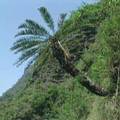
蘇鐵是地球上古老樹種之一,堪稱化石生物。台東蘇鐵為台灣特有種,只分佈於海岸山脈與台東鹿野溪兩岸,喜歡生長在向陽、陡峭的碎石坡上。台東蘇鐵的外形很像蘇鐵,但其生長較快,植株高大,羽狀小葉邊緣不反捲,是與一般蘇鐵不同之處。台東蘇鐵的羽狀複葉叢生於莖幹頂端,展開時如同鳳凰尾般的美觀,因樹形優美成為人們喜好的庭園盆栽植物,而採集過度成為稀有植物。因為它的古老與稀有,使它成為地理學與植物演化學的珍貴研究材料。台東鹿野溪中、上游兩岸的山區,是目前台灣最重要的台東蘇鐵自然保留區。 林務局「自然之窗」的網站也收錄了上述的影片,對於這些古老植物的生存環境與繁殖方式等,有很詳盡的介紹。
※歡迎網友踴躍瀏覽影片並上網「分享心得」,台灣環境資訊協會將以撰寫心得的精采度,選出50位朋友,網友將有機會獲得:「自然之窗 尋幽探秘」台灣自然影音光碟一套(三片)、2006年生態工作假期營隊襯衫、精美特有鳥類明信片(一套4組)、還有「生態足跡」、「種樹男人」、「海濱動物」、「女農討山誌」、「金門海濱生態」、「自然手冊」眾多好書等精美好禮。 ※本文章感謝林務局「自然影像數位化及推廣計畫」贊助刊登 |
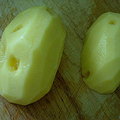 台灣的馬鈴薯主要產區是在台中后里地區,她不是只有馬場跟薩克斯風,目前還面臨中科擴建的環境衝擊。
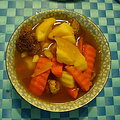 我們家小紅才剛出世,但我們已經開始胡亂想像她未來的生活。如果她上小學,吃營養午餐,會不會很不適應?學校的馬鈴薯跟家裡的馬鈴薯,都叫馬鈴薯,卻是完全不一樣的東西。這樣她也會學到「表裡不一」這句話的道理。
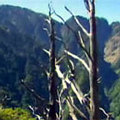 台灣位於北迴歸線通過的亞熱帶地區,境內2/3的地區都是高山峻嶺,同時具備這種氣候及地理因素,是世界上少見的區域。平原地區人口密集,過度開發,野生動植物的棲息地破壞嚴重,高山地區由於地理隔絕,有高比例的特有種生物與生態系,跨越熱帶、暖帶與溫帶的縱向森林生態分布,活像個北半球的生態縮影。台灣四面環海,溪流、河口海灘、沼澤與高山湖泊,也都是重要的生物棲息環境。在這樣的地理與環境裡,孕育了豐饒多樣的生命。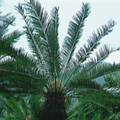

 ※本期推薦影片:
 |
 |
|
|
| 社團法人台灣環境資訊協會•環境信託基金會(籌) Tel: +886-2-23021122 Fax:+886-2-23020101 108台北市萬華區艋舺大道120巷16弄7號 環境資訊電子報 發行人:李永展•總編輯:陳瑞賓•編輯:彭瑞祥、張文樺、李育琴、倪宏坤•網編:倪宏坤 感謝教育部補助 |